

Diabetic Neuropathy
- 589 million adults are living with diabetes worldwide – 1 in 9, with about 43% being undiagnosed.1
- Every third diabetes patient worldwide suffers from diabetic neuropathy and half will develop diabetic neuropathy over their lifetime.2
- Two out of three patients with neuropathy are unaware about their condition.3
- Diabetic neuropathy is a major driver of diabetic foot ulcers,4 whose five‑year mortality is comparable to overall cancer mortality.5
Welcome to the Expert Forum of the Educational Initiative on Diabetic Neuropathy!
The initiative aims to promote early diagnosis and treatment of diabetic neuropathy through information and education, thereby helping to prevent severe complications such as diabetic foot syndrome.
Here, healthcare professionals will find scientifically validated information on diabetic neuropathy—presented in a concise, practical manner. These resources are intended to support early detection and management of the condition.
Earlier Diagnosis – Better Prognosis
Diabetic neuropathy is one of the most common complications in people with diabetes mellitus. Around one in three patients with diabetes is affected.2 The resulting nerve damage can significantly impair patients’ quality of life—through pain and abnormal sensations in the feet, but also through painless ulcers that increase the risk of developing diabetic foot syndrome. The autonomic nervous system may also be affected (autonomic neuropathy). Despite its clinical relevance, diabetic neuropathy is often underestimated and diagnosed only at a very late stage.3,5,6
Early detection of diabetic neuropathy is important to aim for slowing down the progression of the disease. The normal nerve function decreases over time, altogether with the reversible component turning into irreversible nerve damage.7
Why early diagnosis matters
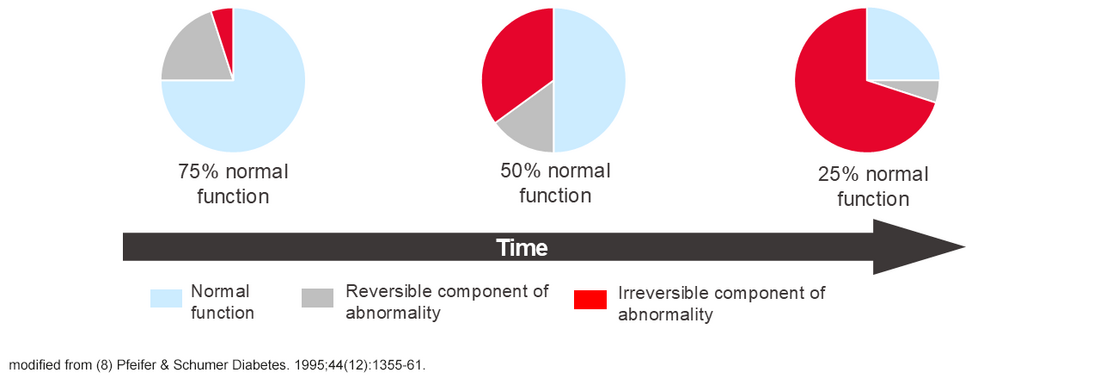
With a quick and simple neurological screening, you can detect and diagnose neuropathies early, initiate appropriate treatment, and thereby prevent complications.
- IDF Diabetes Atlas, 11th Edition/2025.
- Ziegler et al. Diabetes Res Clin Pract. 2022;186:109063.
- Ziegler et al. (PROTECT-Study). Diabetes Res Clin Pract. 2018;139:147-154.
- McDermott et al. Diabetes Care. 2023; 46(1):209–221.
- Armstrong et al. Journal of Foot and Ankle Research. 2020; 13:16.
- Bongaerts et al. Diabetes Care. 2013;36(5):1141-6.
- Ziegler et al. (PROTECT-Study). J Diabetes Complications. 2015;29(8):998-1002.
- Pfeifer & Schumer. Diabetes. 1995;44(12):1355-61.